
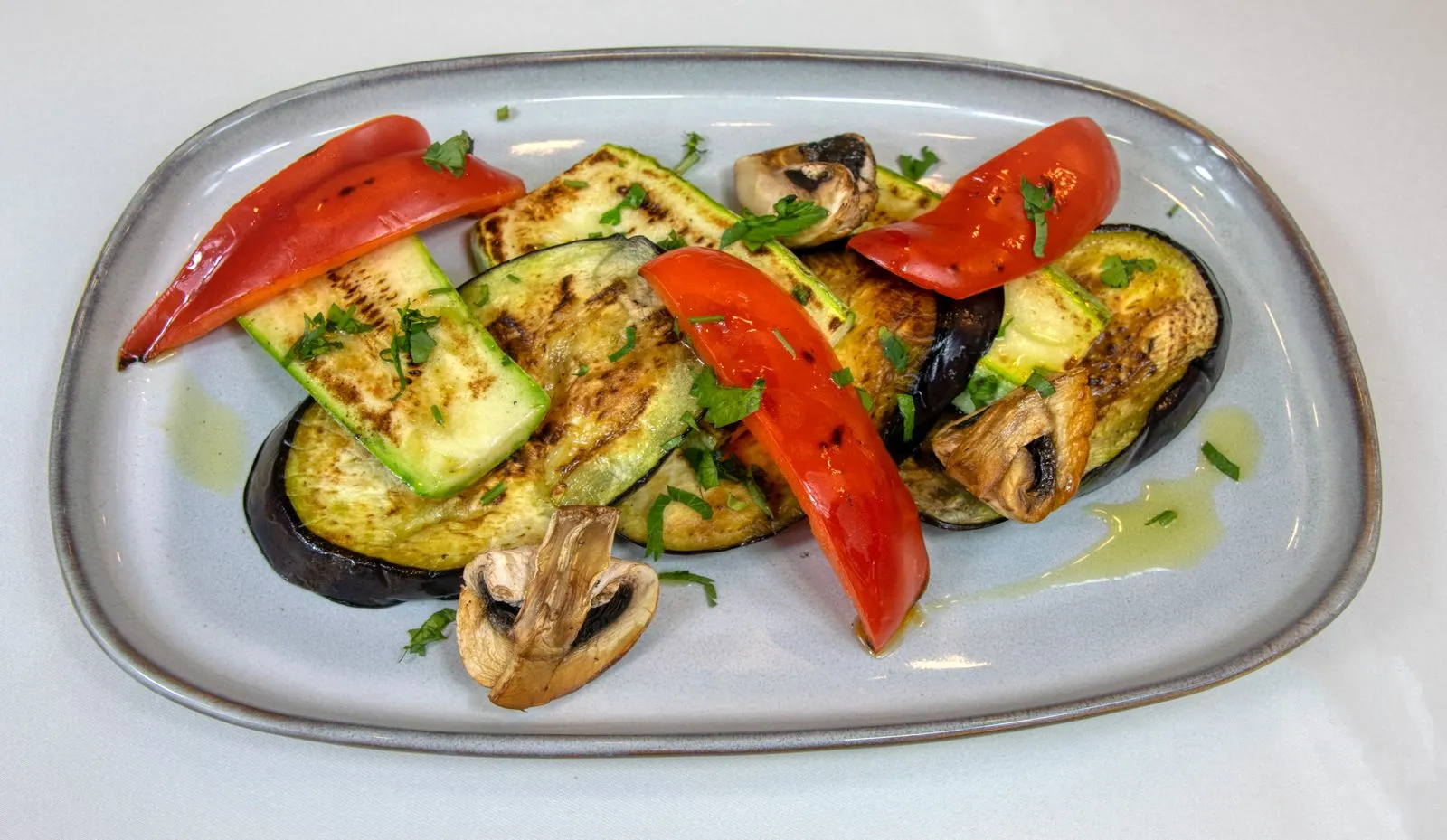
Greek meze are small dishes meant to be shared, tasted, and enjoyed at an easy pace. A vegetarian spread can include creamy dips, crisp vegetables, warm pies, olives, cheese, and bread, with each plate offering a different flavor or texture. You don’t need a fixed menu or a large number of dishes. Start with a few favorites, add something substantial, and let everyone serve themselves as the meal unfolds.
Start With Familiar Meze
Dips are a natural starting point. Tzatziki combines yogurt, cucumber, garlic, and herbs; melitzanosalata is a smoky eggplant spread; and hummus, while shared across several food traditions, fits comfortably on many modern meze tables. Serve two or three options with warm pita or crusty bread, plus raw vegetables for dipping.
Round out the first plates with olives, marinated peppers, sliced tomatoes, or a simple Greek salad. Feta adds a salty, tangy bite, while dolmades—grape leaves filled with rice and herbs—bring a tender, lemony element. Check how each dish is prepared if you avoid particular ingredients; recipes and fillings can vary.
Mix Textures and Temperatures
A good meze spread gives guests a choice between creamy, crunchy, crisp, and tender foods. Pair a smooth dip with crunchy cucumbers, then add something warm, such as spanakopita filled with spinach and feta or roasted vegetables seasoned with olive oil, lemon, and herbs. This variety makes a modest selection feel more complete.
Think about contrast as you choose flavors. Briny olives and salty feta balance sweet roasted peppers or caramelized onions. Lemon brightens rich cheese and beans, while fresh herbs add lift to hearty dishes. You don’t need to make every plate bold; a plain bowl of beans or sliced vegetables can give the palate a welcome pause.
Build a Meal That Satisfies
For a more filling meal, include a substantial dish alongside the dips and vegetables. Look for lentils, gigantes—large baked beans—or rice-filled grape leaves, and add bread or another grain to help round things out. If your table includes dairy, yogurt-based dips and cheese contribute extra richness; beans and lentils offer a satisfying option without dairy.
Choose portions by thinking about the whole table, not ordering a full serving of every dish per person. A practical combination might include two dips, bread, one fresh salad, one warm vegetable plate, and a bean or grain dish. Add another plate if you have a larger group or want leftovers, and ask guests about dietary needs before ordering.
Serve for Easy Sharing
Set dishes in the center of the table and provide small plates, serving spoons, and enough bread for dipping. Bring out warm foods while they’re hot, but keep cool dips and salads chilled until serving. Labeling dishes or telling guests what’s in them helps everyone choose confidently, especially when a plate contains dairy, nuts, or other common allergens.
Let the meal move at a relaxed pace. Start with bread, dips, and olives, then add warm plates as people settle in. Replenish shared dishes when needed rather than filling the table all at once. At Olive & Thyme, guests can use this same approach to explore familiar Greek vegetarian flavors one plate at a time.
A satisfying Greek vegetarian meze meal balances dips, fresh vegetables, warm plates, and something hearty like beans or grains. Choose a mix of flavors and textures, serve dishes in the center, and let everyone share at their own pace. Try a few combinations at home or explore a meze spread at Olive & Thyme.